
Understanding Fire Suppression Systems: How They Protect UK Buildings from Major Fire Damage
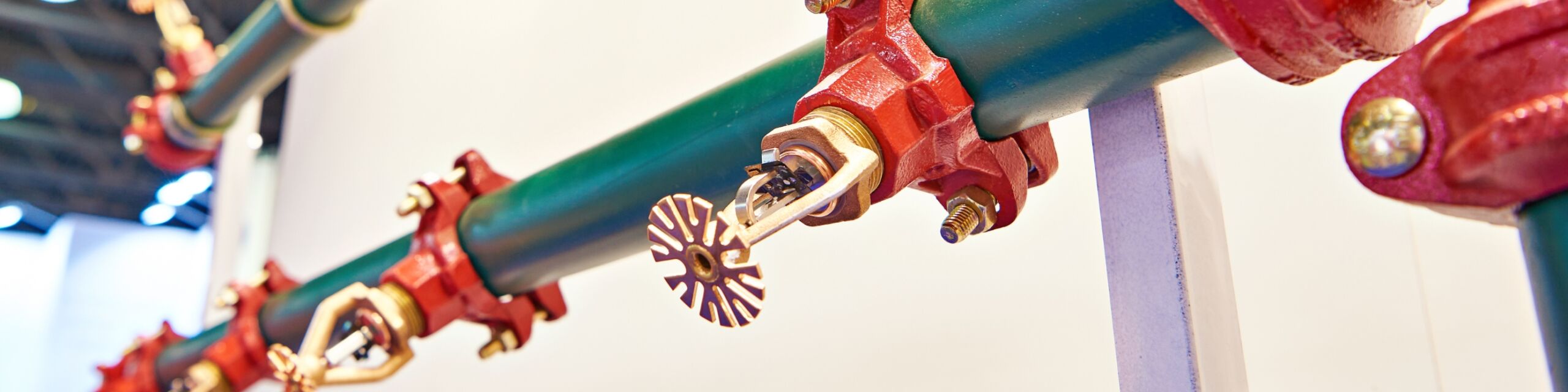
Fire suppression systems play a vital role in protecting buildings, occupants, and valuable assets from the devastating impact of fire. While fire alarms alert people to danger, suppression systems actively control or extinguish the fire before it spreads.
Across the UK, businesses, residential developments, and public buildings are increasingly adopting fire suppression systems as part of their comprehensive fire safety strategy. These systems provide automatic protection that works even when a building is empty.
For professional fire protection services, visit
www.sprinklersuk.co.uk
What Is a Fire Suppression System?
A fire suppression system is designed to detect and extinguish fires automatically. Unlike traditional firefighting methods, these systems respond immediately when heat or smoke reaches a certain threshold.
Typical components include:
Detection systems
Control panels
Suppressant agents (such as water or specialised chemicals)
Discharge mechanisms
When activated, the system releases a suppression agent directly onto the fire, limiting its spread.
Types of Fire Suppression Systems
Different environments require different suppression technologies.
Common types include:
Water-based systems
These include fire sprinklers, which remain one of the most widely used and reliable suppression solutions.
Gas suppression systems
Used in environments like server rooms where water could damage equipment.
Foam suppression systems
Common in industrial environments where flammable liquids are present.
Dry chemical systems
Often used in kitchens and specialised industrial applications.
Each system must be selected based on the fire risks present in the building.
Where Fire Suppression Systems Are Most Important
Fire suppression systems are particularly valuable in environments where fire could spread quickly or cause severe damage.
Examples include:
Commercial kitchens
Warehouses
Data centres
Manufacturing facilities
Residential buildings
Office spaces
In many of these settings, automatic suppression can prevent catastrophic losses.
The Benefits of Automatic Fire Suppression
Installing a suppression system provides several advantages:
Rapid fire control
Reduced property damage
Improved occupant safety
Lower insurance risk
Business continuity protection
Early suppression significantly reduces the severity of fire incidents.
Final Thoughts

Fire suppression systems provide an essential layer of protection for modern buildings. By detecting and controlling fires automatically, they protect people, property, and businesses from potentially devastating losses.
For expert fire suppression solutions across the UK, visit
www.sprinklersuk.co.uk
SprinkerUK.co.uk offers expert fire sprinkler installation and maintenance services across the UK.
We keep your property safe with reliable, high-quality fire protection systems.
Menu
© 2025, SprinklersUK. All Rights Reserved.