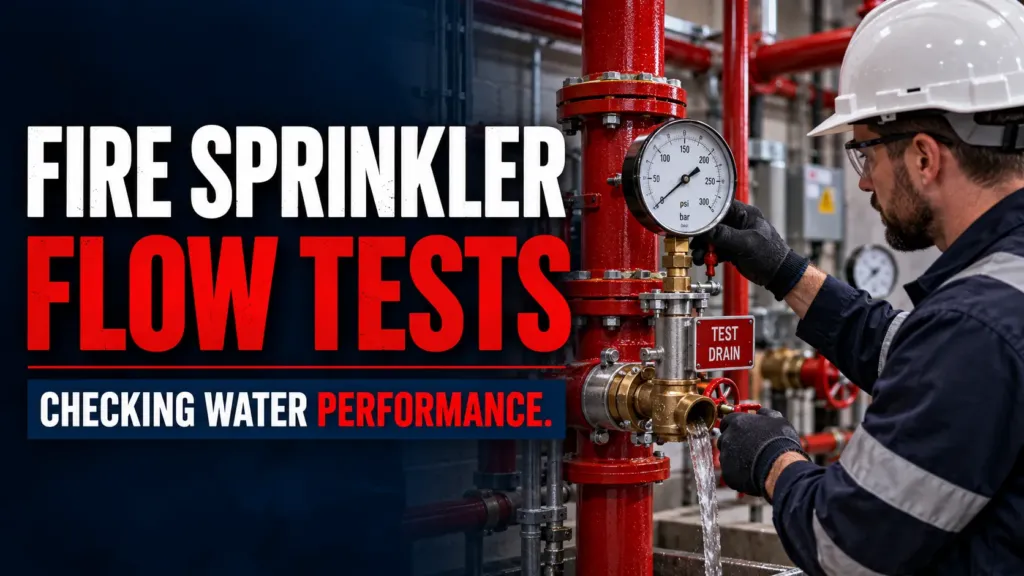
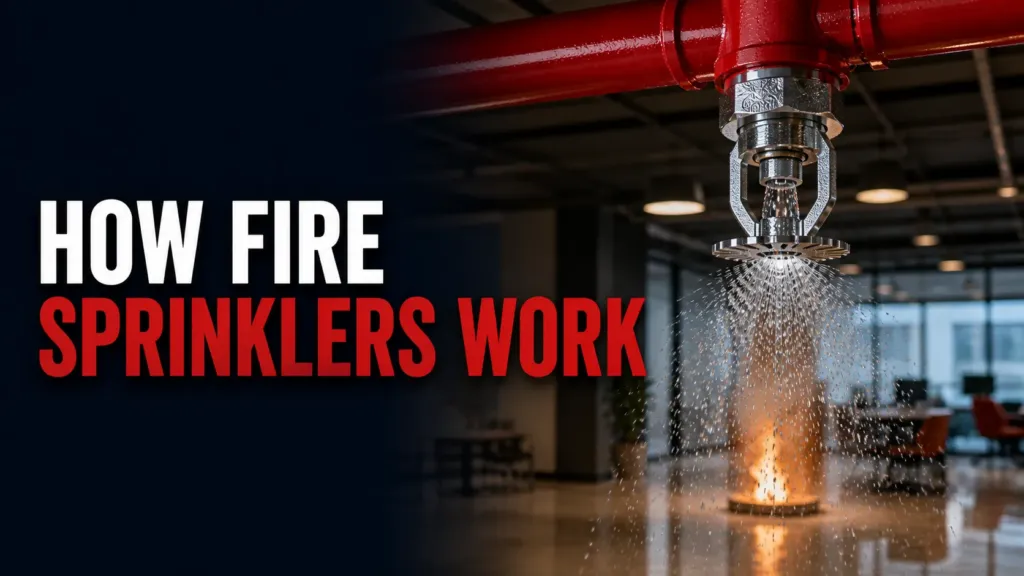
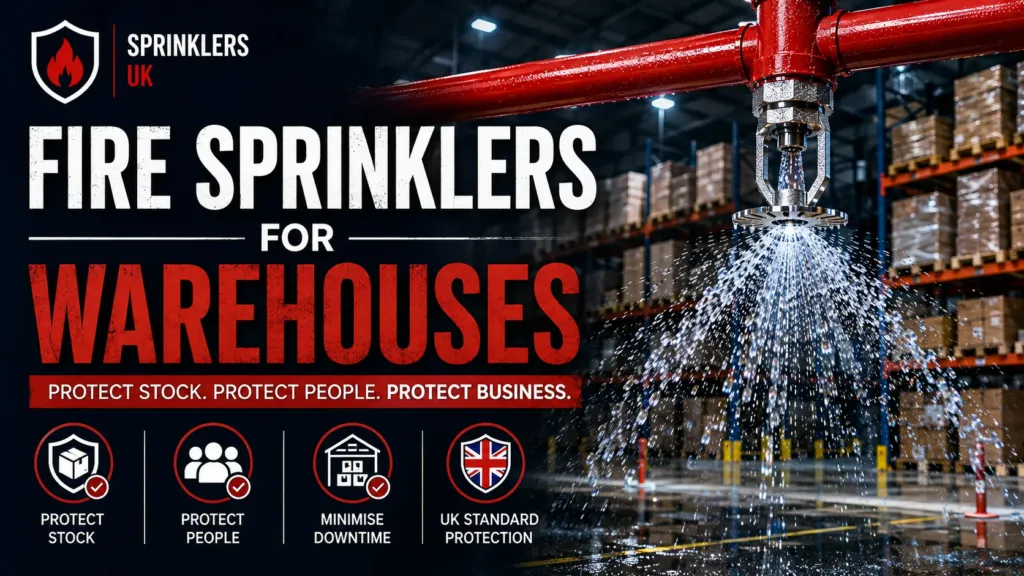
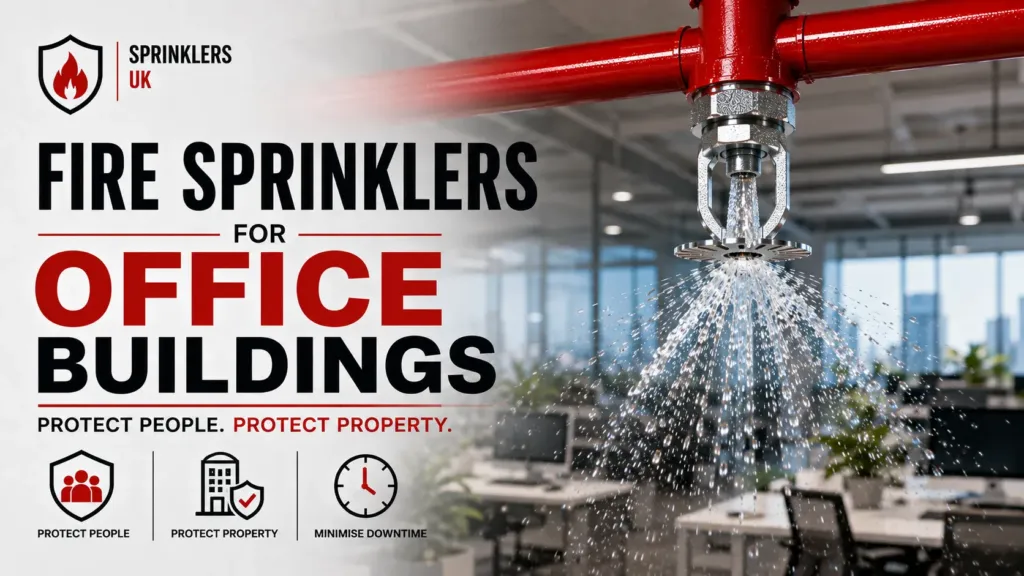
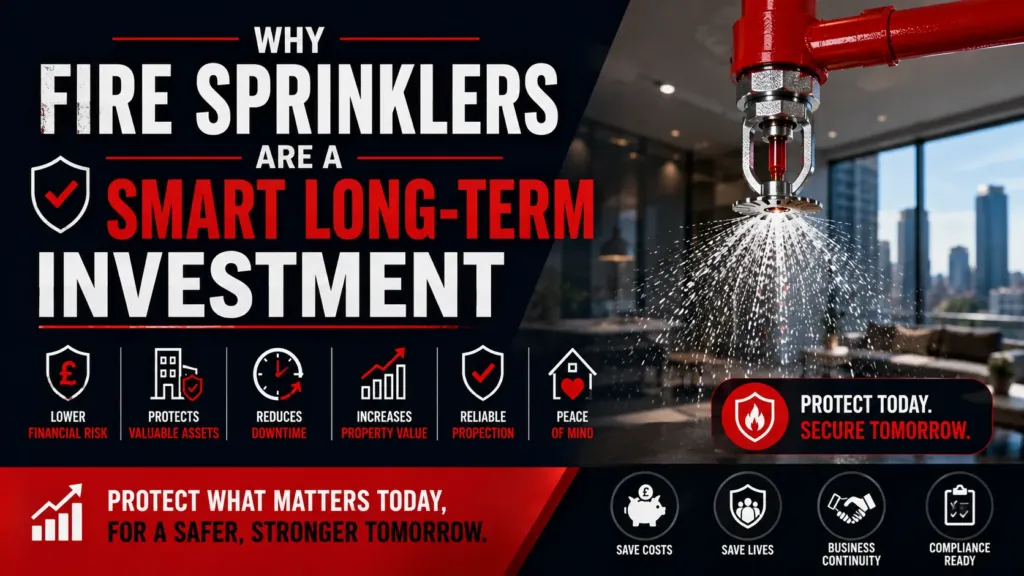
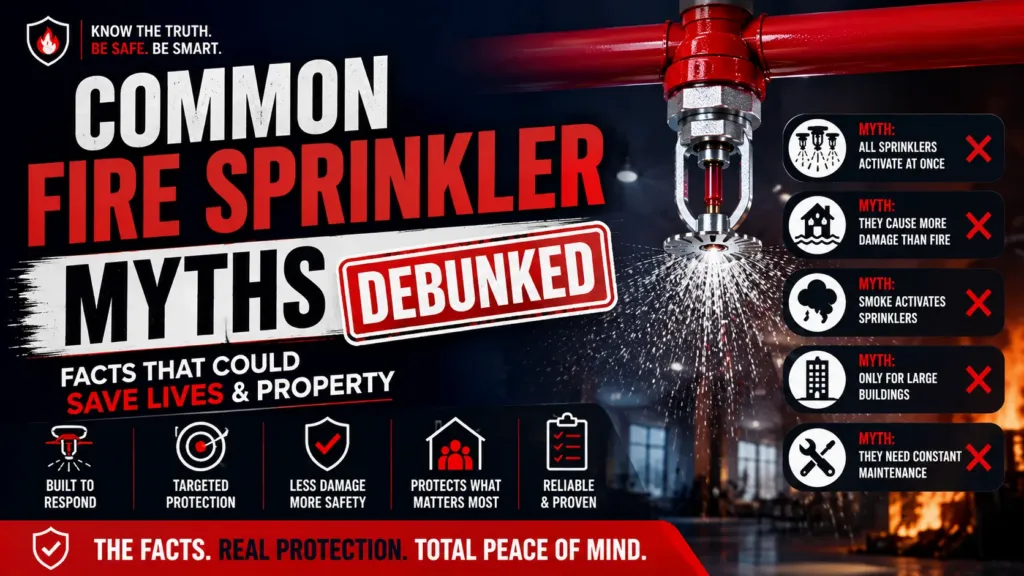
Why a Temporary Shutdown Needs Planning The Link Between Fire Protection and Sustainability Why Building Changes Matter The Water Supply Behind Fire Protection Why Historic Buildings Need Careful Fire Protection Why a Fire Risk Assessment Matters Why Fire Safety Must Continue During a Power Cut Protect the Building Before Opening Empty Building. Real Fire Risk. Two Layers of Protection: Fire Doors and Sprinklers Fire Sprinkler Flow Tests: What They Check Fire Sprinklers and Business Continuity Concealed Fire Sprinklers for Modern Interiors Retrofitting Fire Sprinklers in Existing Buildings What Happens After a Fire Sprinkler Activates? Fire Sprinklers for Scottish Buildings Fire Sprinkler Rules Across the UK Choosing the Right Fire Sprinkler System for Your Building Common Fire Sprinkler Myths That Building Owners Should Know Why Fire Sprinkler Maintenance Should Not Be Ignored Why Fire Sprinklers Matter How Fire Sprinklers Work Fire Sprinklers for Care Homes Fire Sprinklers for Warehouses Fire Sprinklers for Office Buildings Why Fire Sprinklers Are a Smart Long-Term Investment Common Fire Sprinkler Myths Debunked Fire Sprinklers for Retail Stores Why Every Business Should Consider Fire Sprinkler Systems How Fire Sprinkler Systems Help Save Lives During a Fire Fire Sprinklers for Hotels Fire Sprinklers in Student Accommodation Fire Sprinklers for Distribution Centres Fire Sprinklers for Manufacturing Facilities Fire Sprinkler Systems in Shopping Centers: Keeping People and Businesses Safe Fire Sprinkler Systems for Data Centres and Server Rooms: Protecting Critical Infrastructure Fire Sprinkler Systems and Insurance: Why Fire Protection Can Save More Than Your Property The Hidden Costs of Fire Damage and How Sprinkler Systems Help Prevent Them Why Architects Should Consider Fire Sprinkler Systems During the Design Phase Fire Sprinkler Systems in Care Homes Fire Sprinkler Systems in Educational Buildings: Creating Safer Learning Environments Fire Sprinkler Systems and Hotels: Protecting Guests, Staff, and Property Why Fire Sprinkler Systems Are Essential for Warehouses and Storage Facilities The Importance of Fire Sprinkler Systems in Apartment Buildings and Residential Developments How Fire Sprinkler Systems Help Protect Care Homes and Assisted Living Facilities How Fire Sprinkler Systems Help Create Safer Commercial Buildings in the UK Why Fire Sprinkler Systems Are a Smart Investment for UK Property Owners Fire Sprinkler Systems and Modern Building Safety in the UK The Role of Fire Sprinklers in Reducing Fire Damage in UK Properties Fire Safety Responsibilities for UK Businesses How Fire Sprinkler Systems Work: A Simple Guide for UK Property Owners Fire Safety Upgrades for Older Buildings in the UK Why Fire Sprinklers Are Essential for Retail and Shopping Centres in the UK Fire Sprinklers for Healthcare Facilities in the UK The Cost of Not Installing Fire Sprinklers Fire Sprinklers in Schools and Educational Buildings Fire Sprinkler Systems for Safer Buildings in the UK The Complete Fire Protection Strategy for Modern UK Buildings Understanding Fire Suppression Systems Fire Sprinkler Systems as a Long-Term Investment in Property Safety and Value Fire Safety in High-Occupancy Buildings Fire Sprinkler Systems and UK Building Control Fire Safety Planning for New Developments in the UK Fire Sprinklers and Business Continuity Fire Safety in Modern UK Buildings Fire Sprinklers and Insurance Fire Sprinklers for Property Managers and Landlords A Practical Guide for Contractors and Builders Fire Protection as a Design Investment How Architects Can Add Value to Their Projects by Partnering with Fire Sprinkler Specialists Why Architects Should Integrate Fire Sprinkler Systems Fire Sprinkler Maintenance and Servicing in the UK Fire Sprinklers in Residential Buildings Fire Sprinklers vs Fire Alarms Fire Safety Regulations in the UK Understanding Fire Sprinkler Systems in the UK The Complete Guide to Fire Sprinkler Systems in the UK