
Fire Sprinklers vs Fire Alarms: Why Detection Alone Is Not Enough in UK Buildings
Fire alarms are a fundamental part of fire safety in the UK. They alert occupants when smoke or heat is detected and give people time to evacuate. However, alarms on their own do not stop a fire. They simply warn that one has started.
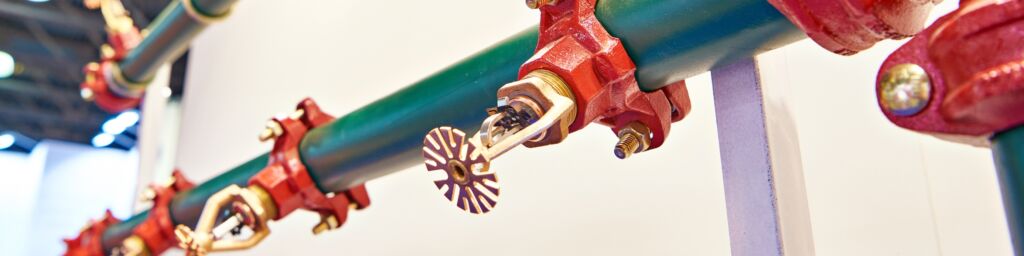
Automatic fire sprinkler systems go a step further. They actively suppress and control fires at their source, often before emergency services arrive. For this reason, sprinklers are increasingly seen as a vital partner to fire alarms — not a replacement, but an essential addition.
This blog explains the key differences between fire alarms and fire sprinklers, how they work together, and why relying on detection alone is no longer enough in modern UK buildings.
For professional fire protection solutions across the UK, visit
www.sprinklersuk.co.uk
The Role of Fire Alarms in UK Fire Safety
Fire alarms are designed to:
Detect smoke or heat
Alert occupants through audible and visual warnings
Trigger evacuation procedures
Notify building management or monitoring centres
They play a critical role in protecting life by providing early warning. However, once an alarm sounds, the fire continues to grow unless something intervenes.
The Limitations of Fire Alarms Alone
While fire alarms are essential, they have clear limitations:
They do not control flames
They do not reduce heat
They do not suppress smoke
They rely on human response
If occupants are asleep, mobility-impaired, or the building is unoccupied, an alarm alone may not prevent serious damage or loss of life.
What Fire Sprinkler Systems Do Differently
Fire sprinkler systems provide automatic fire suppression. When heat reaches a specific temperature, the nearest sprinkler activates and releases water directly onto the fire.
This results in:
Immediate fire control
Reduced fire spread
Lower heat levels
Improved visibility
Safer escape routes
In many cases, fires are controlled by just one sprinkler head.
Fire Sprinklers and Fire Alarms: A Combined Approach
The most effective fire-safety strategy uses both systems together.
How They Work as a Team:
Fire alarm detects smoke or heat and alerts occupants
Sprinkler activates when temperature rises
Fire is suppressed while evacuation takes place
Emergency services arrive to a controlled situation
This layered protection dramatically improves outcomes.
Why This Matters for Residential Buildings

In homes, flats, HMOs, and care settings, occupants may be:
Asleep
Elderly
Disabled
Unfamiliar with evacuation procedures
Sprinklers provide protection even when people cannot react quickly, significantly reducing the risk of fatalities.
Why This Matters for Commercial Buildings
For businesses, fire causes more than physical damage. It leads to:
Operational downtime
Revenue loss
Insurance claims
Reputational harm
Potential permanent closure
Sprinklers limit fire damage and allow businesses to recover faster, while alarms ensure safe evacuation.
Compliance and Best Practice in the UK
UK fire-safety guidance increasingly recognises the importance of sprinkler systems alongside alarms, particularly in:
New developments
High-occupancy buildings
Care facilities
Warehouses and industrial sites
Sprinklers installed to BS 9251 or BS EN 12845 provide reliable, standards-compliant protection.
Addressing Common Misconceptions
Myth: Fire alarms are enough on their own
Reality: Alarms warn — sprinklers act.
Myth: Sprinklers cause excessive water damage
Reality: They use far less water than firefighting hoses.
Myth: Sprinklers are only for large buildings
Reality: Domestic sprinkler systems are increasingly common across the UK.
The Business Case for Suppression, Not Just Detection
Investing in sprinklers can:
Reduce insurance risk
Protect stock and assets
Limit repair costs
Support regulatory compliance
Demonstrate duty of care
For landlords and developers, this is a strong risk-management decision.
Professional Design and Installation Is Essential
Fire sprinklers must be:
Professionally designed
Installed by qualified engineers
Commissioned correctly
Maintained regularly
A specialist fire-safety provider ensures systems perform as intended.
To speak with experienced UK engineers, visit
www.sprinklersuk.co.uk
Final Thoughts
Fire alarms save lives by providing warning — but they do not stop fires. Fire sprinkler systems actively control and suppress fires when every second counts. Together, they form one of the most effective fire-safety strategies available in the UK today.
Relying on detection alone is no longer enough. Active fire suppression is the next essential step.
SprinkerUK.co.uk offers expert fire sprinkler installation and maintenance services across the UK.
We keep your property safe with reliable, high-quality fire protection systems.
Menu
© 2025, SprinklersUK. All Rights Reserved.