
Why Architects Should Consider Fire Sprinkler Systems During the Design Phase
Architects play a key role in shaping buildings that are not only visually appealing but also safe, practical, and future-proof. Every decision made during the design stage can have a lasting impact on how a building performs throughout its lifetime. While structural design, aesthetics, and functionality are often primary considerations, fire protection should also be an essential part of the planning process.
Fire sprinkler systems are most effective when they are incorporated into a project from the very beginning. Early planning allows architects to integrate fire protection seamlessly into the building design while avoiding costly modifications later in the project.
Fire Safety Starts at the Planning Stage
Many building projects focus on fire safety once construction is underway. However, considering fire protection during the design phase provides greater flexibility and better outcomes.
When sprinkler systems are included from the start, architects can coordinate layouts, ceiling spaces, service routes, and building infrastructure more effectively. This approach reduces potential conflicts between fire protection systems and other building services while helping create a more efficient overall design.
Early planning also allows fire safety measures to become part of the building rather than an addition that must be accommodated later.
Greater Design Flexibility
One of the advantages of considering sprinkler systems early is the ability to integrate them discreetly into the architectural design.
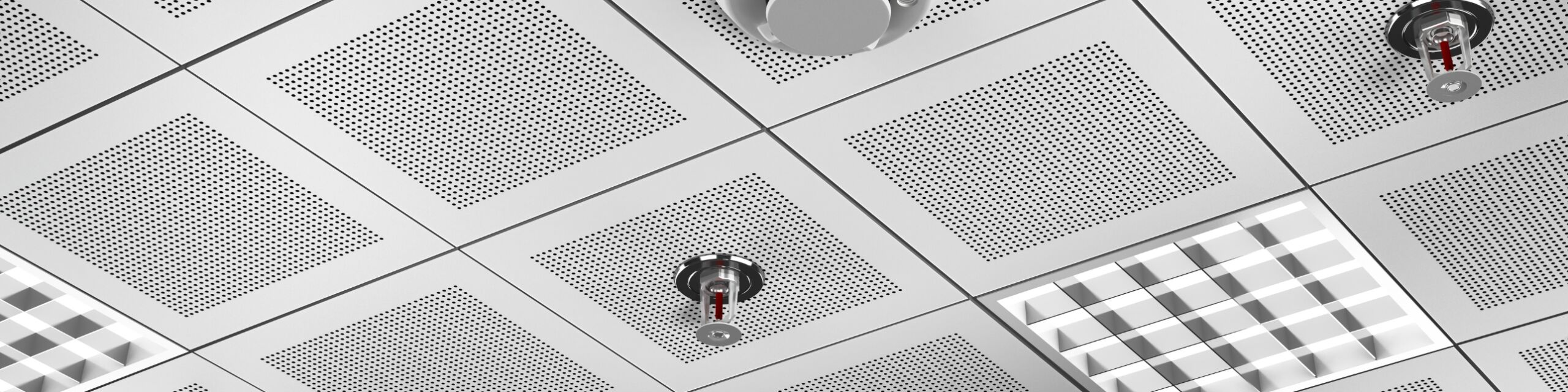
Modern sprinkler heads can be concealed within ceilings and positioned to minimise visual impact. By planning their location during the design stage, architects can maintain clean interior aesthetics without compromising safety.
This is particularly important in high-end residential developments, luxury homes, hotels, offices, and commercial properties where appearance is a key consideration.
Supporting Modern Building Standards
Building safety expectations continue to evolve across the UK. Developers, property owners, and regulatory bodies increasingly prioritise fire safety and risk management.
Including sprinkler systems during the design phase helps support a comprehensive fire safety strategy. It demonstrates a proactive approach to protecting occupants and creating buildings that are designed with long-term safety in mind.
Architects who consider fire protection from the outset can help clients deliver projects that align with modern expectations and future requirements.
Improving Coordination During Construction
Construction projects involve multiple trades working together, including electrical contractors, mechanical engineers, plumbing specialists, and fire protection professionals.
When sprinkler systems are included in the original design, coordination becomes significantly easier. Pipework routes, service zones, and installation requirements can be planned in advance, reducing the likelihood of delays or costly changes during construction.
This streamlined approach helps projects progress more efficiently while maintaining quality and compliance.
Reducing Future Retrofitting Costs
Retrofitting fire sprinkler systems into completed buildings can be more complex and expensive than installing them during construction. Additional work may be required to access ceilings, alter layouts, or accommodate pipework routes.
By considering sprinkler systems early, architects help clients avoid these future costs. The result is a building that is already prepared to provide enhanced fire protection without requiring major modifications later.
This forward-thinking approach often delivers better value over the lifespan of the property.
Adding Value for Clients
Clients increasingly expect buildings to provide more than functionality and visual appeal. Safety, resilience, and long-term performance are becoming key factors in decision-making.
Architects who incorporate fire sprinkler systems into their designs can provide additional value by helping clients protect their investment. Whether the project is residential, commercial, educational, or healthcare related, enhanced fire protection contributes to a safer and more desirable building.
This can improve confidence among occupants, investors, and future purchasers.
Building Safer Communities
Every building contributes to the wider community around it. Fires can affect neighbouring properties, disrupt businesses, and place significant demands on emergency services.
By integrating fire sprinkler systems into building designs, architects play an important role in creating safer communities. Early fire suppression helps reduce the impact of fire incidents and supports a more resilient built environment.
This broader benefit reinforces the importance of considering fire protection as a core element of responsible design.
Conclusion
Fire sprinkler systems should not be viewed as an afterthought in modern building projects. When considered during the design phase, they provide greater flexibility, improved coordination, enhanced safety, and long-term value.
For architects, incorporating sprinkler systems early in the design process helps create buildings that are not only attractive and functional but also safer for the people who use them every day.
Learn more at www.sprinklersuk.co.uk.
Get Professional Advice
Have Enquiries? Get in touch!
If you are considering fire sprinkler systems for your home, development project, or commercial building, professional guidance can help you choose the right solution.
Our team can assist with system design, installation, and ongoing maintenance to ensure your property remains protected.
-
5 Blair Court CLYDEBANK G81 2LA
SprinkerUK.co.uk offers expert fire sprinkler installation and maintenance services across the UK.
We keep your property safe with reliable, high-quality fire protection systems.
Menu
© 2025, SprinklersUK. All Rights Reserved.