Understanding Fire Sprinkler Systems in the UK: Types, Benefits, and Why They Matter More Than Ever

Fire safety has never been more important across the United Kingdom. As buildings become more complex and occupancy levels rise, the responsibility to protect people, property, and business continuity has grown significantly. While traditional fire-detection systems such as smoke alarms play a crucial role, they do not actively control a fire. That task belongs to automatic fire sprinkler systems.
Sprinklers detect heat, activate automatically, and release water directly onto the fire before it spreads. They work day and night, even when buildings are empty, offering protection that passive fire systems alone cannot provide.
This in-depth guide explains the different types of fire sprinkler systems used across the UK, where they are installed, and why their use continues to expand in both residential and commercial environments. It also highlights why choosing an experienced and accredited supplier is essential.
For professional guidance and installation services in the UK, visit
www.sprinklersuk.co.uk
What Does a Fire Sprinkler System Actually Do?
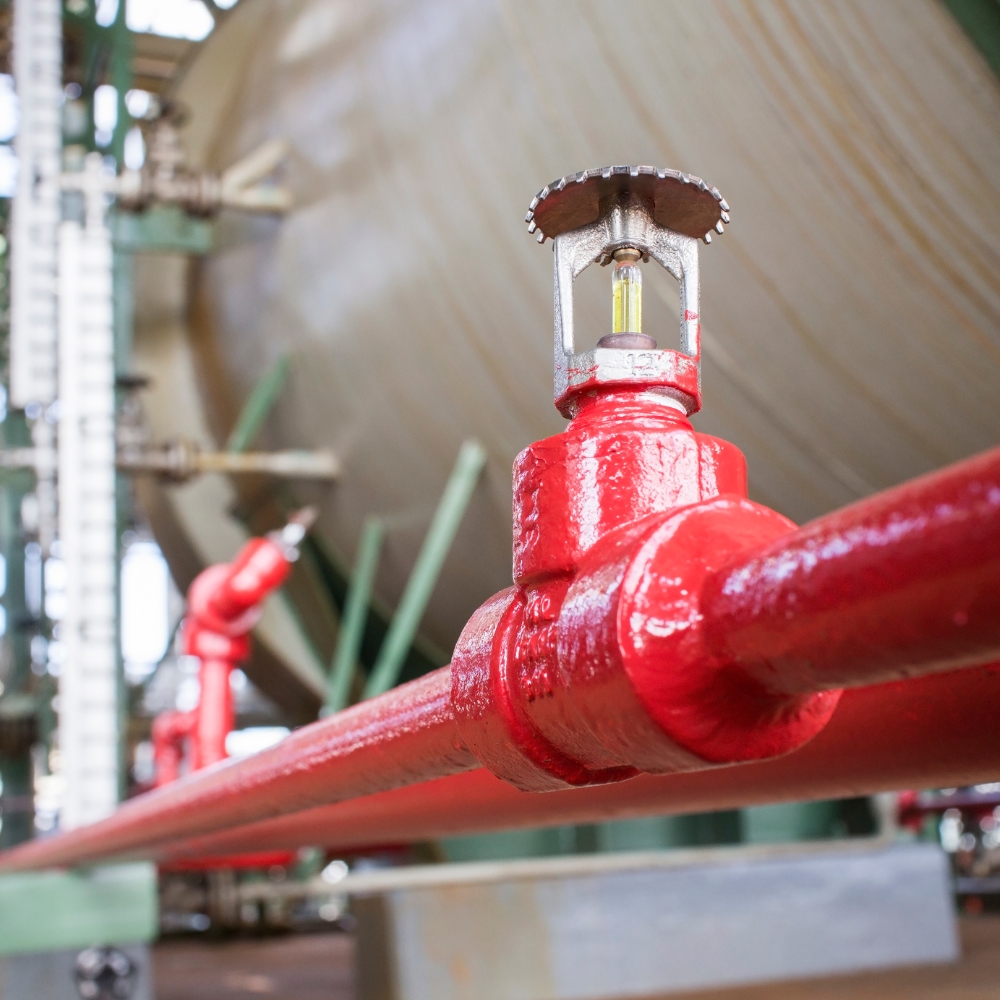
A properly designed sprinkler system detects fire at its earliest stage. When the heat from a fire reaches a predetermined temperature, the sprinkler nearest the fire activates and releases water directly onto the flames. This slows or extinguishes the fire before it can spread.
Key point to understand
Only the sprinkler head closest to the fire operates. The entire building does not discharge water.
This targeted response limits both fire and water damage — one of the main reasons insurers support sprinkler installations.
The Main Types of Fire Sprinkler Systems Used in the UK
Different buildings require different sprinkler technologies. Selecting the correct system ensures performance, compliance, and safety.
Wet Pipe Fire Sprinkler Systems
This is the most common sprinkler system used in the UK. Pipes remain permanently filled with water under pressure. When the sprinkler activates, water is released immediately.
Typically installed in:
Residential homes and apartments
Offices
Hotels
Retail environments
Schools
Benefits include:
Fastest possible response
Simple design
High reliability
Lower maintenance complexity
Because water is already in the pipe network, suppression begins instantly.
Dry Pipe Fire Sprinkler Systems
In dry pipe systems, the pipework contains pressurised air instead of water. When a sprinkler activates, the air escapes and is replaced by water.
Best suited for:
Unheated or partially heated spaces
Car parks
Loading docks
Cold storage warehouses
Key advantage:
Prevents freezing damage during cold UK winters.
These systems require specialist design to ensure the correct operation time and system balance.
Pre-Action Fire Sprinkler Systems
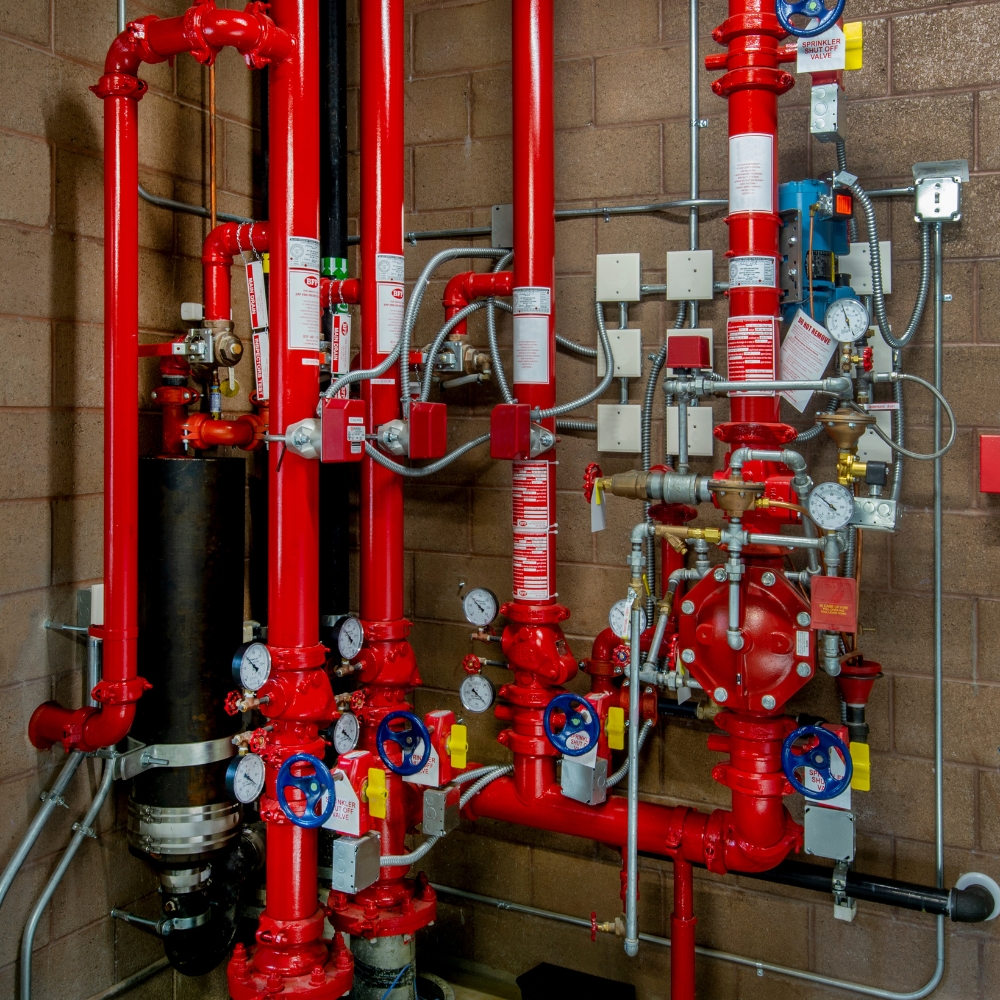
Pre-action systems provide enhanced control. They require two separate triggers:
A fire-detection event
Activation of the sprinkler head
Water does not enter the pipes until both events occur.
Typically used in:
Data centres
Museums
Art galleries
Archives
Server rooms
Why?
Because accidental discharge must be avoided at all costs. These systems combine precision with protection.
Deluge Fire Sprinkler Systems
Deluge systems feature open sprinkler heads. When the system activates, water is released through all outlets simultaneously.
Designed for:
High-hazard industrial environments
Chemical processing facilities
Power generation sites
These systems are used when rapid, full-area coverage is needed to control severe fire risks.
Why Professional Design and Installation Is Essential
Fire sprinkler systems are not “off-the-shelf” products. They must be:
Engineered to match the fire-risk profile
Designed to British Standards
Installed by qualified engineers
Commissioned and tested correctly
Key UK standards include:
BS 9251 – Domestic & residential sprinkler systems
BS EN 12845 – Commercial sprinkler systems
A compliant installation provides assurance that the system will perform when needed.
For guidance from experienced UK specialists, visit
www.sprinklersuk.co.uk
Environmental & Social Benefits
Sprinklers reduce:
The size and severity of fires
Water usage compared to hose firefighting
Smoke emissions
Rebuild waste
Community disruption
They support safer, more sustainable building design.
Common Misunderstandings About Fire Sprinklers
Myth: All sprinklers activate at once
Reality: Only the sprinkler nearest the fire activates.
Myth: They cause more damage than fire hoses
Reality: Sprinklers use significantly less water.
Myth: Sprinklers ruin interior design
Reality: Modern systems are discreet and can be colour-matched.
Myth: They are only for commercial buildings
Reality: Domestic installation is increasingly common across the UK.
Choosing a Trusted UK Fire Sprinkler Partner
Selecting the right provider ensures quality, safety, and compliance. A reputable contractor should provide:
Professional consultation
Risk assessment
System design
Certified installation
Testing & commissioning
Maintenance support
To speak with specialists who design and install systems to British Standards, visit
www.sprinklersuk.co.uk
Final Conclusion
Fire sprinkler systems are one of the most effective life-safety technologies available today. They provide rapid, automatic protection when every second counts. Whether protecting a family home, a multi-occupancy building, or a major commercial environment, sprinklers help safeguard people, assets, and communities across the UK.
As awareness and legislation continue to evolve, sprinklers are becoming a fundamental part of responsible building design — not just an optional extra. Their value lies not only in compliance, but in the unmatched protection and reassurance they deliver.
For expert guidance on installation, design, or maintenance of fire sprinkler systems in the UK, visit:
www.sprinklersuk.co.uk
SprinkerUK.co.uk offers expert fire sprinkler installation and maintenance services across the UK.
We keep your property safe with reliable, high-quality fire protection systems.
Menu
© 2025, SprinklersUK. All Rights Reserved.